
Exterior paint isn't only cosmetic — it's the barrier that keeps moisture out of your siding and trim. When it starts to fail, repainting is far cheaper than the rot and repairs that follow. Here are the signs worth watching for.
1. Fading and chalking
Noticeable fading, especially on sun-facing walls, means the paint is breaking down. If a chalky residue rubs off on your hand, the protective film is wearing through.
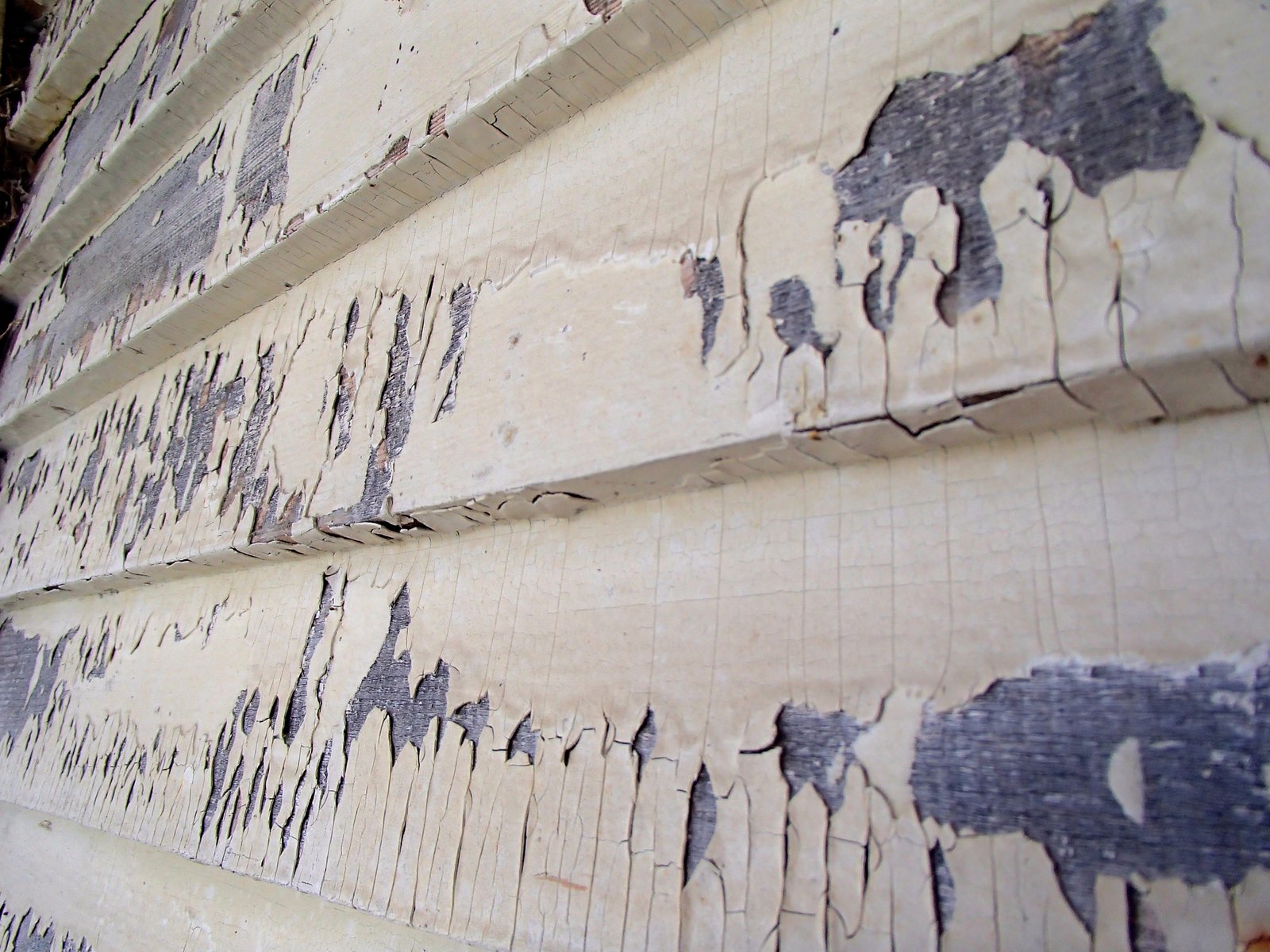
2. Cracking, flaking, or peeling
Any place the paint is lifting from the surface is a place water can now get in. Small spots can be scraped and spot-primed; widespread flaking means it's time for a full repaint.
3. Failing caulk and gaps
Caulk that has hardened, shrunk, or pulled away from trim and window frames lets water behind the surface. Re-caulking is a routine part of a good repaint.
4. Bare or exposed wood
Exposed wood weathers and rots quickly once the paint is gone. Don't let it sit through another wet season unprotected.
5. You're about to sell
Few upgrades improve curb appeal per dollar like fresh exterior paint. If a sale is on the horizon, it's one of the most reliable returns you can make.
Repainting on schedule is maintenance. Repainting after the damage is a renovation.


